
Southwest Daytona Beach Black Heritage District
History, Place, and Community
A Neighborhood Shaped by Resilience
The Southwest Daytona Beach Black Heritage District tells the story of how African American residents built a thriving community in Daytona Beach during an era of segregation and limited opportunity. From the late 1800s through the mid-1900s, this area emerged as one of the city’s most important centers of African American life—home to families, churches, schools, businesses, and civic organizations that sustained generations.
At a time when Jim Crow laws restricted where Black residents could live, work, and gather, the people of Southwest Daytona created a self-reliant neighborhood. They established institutions that provided education, spiritual support, social connection, and leadership, while also contributing significantly to Daytona Beach’s economic growth through labor in tourism, construction, transportation, and service industries.
Why the District Is Significant
The Southwest Daytona Beach Black Heritage District is recognized for its importance to:
- African American history
- Social history
- Community development
- Architecture
Together, its buildings and streets reflect broader patterns in American history—especially the ways African American communities responded to segregation with resilience, cooperation, and determination. The district stands as a physical reminder of how Black residents shaped their own civic and cultural spaces when excluded from others.
Community Anchors
Churches, schools, fraternal lodges, and neighborhood businesses formed the backbone of life in Southwest Daytona. These places were more than buildings—they were centers of worship, education, activism, and mutual aid. They nurtured leadership, preserved cultural traditions, and supported social progress at the local level.
Many of the individuals associated with the district were not nationally famous, but their influence was deeply felt in Daytona Beach. Ministers, teachers, business owners, and civic leaders helped guide the community through decades of change.
Architecture of Everyday Life
The district features a rich collection of historic buildings that reflect practical, vernacular architecture common in African American neighborhoods of the early 20th century. These structures emphasize function, affordability, and craftsmanship.
Common architectural types include:
- Wood-frame houses, often modest in scale
- Shotgun and bungalow-style residences
- Historic churches, serving as visual and social landmarks
- Institutional buildings, such as schools and lodge halls
- Small commercial structures tied to neighborhood businesses
Together, these buildings create a cohesive streetscape that conveys the look and feel of the district during its historic period.
Geographic Setting
Located in Southwest Daytona Beach, the district is defined by historic streets that once formed the heart of African American residential and civic life. Its boundaries reflect where homes, churches, and institutions were most concentrated during the district’s period of significance.

The area remains distinct from surrounding neighborhoods that developed later or followed different historical patterns, allowing visitors today to clearly experience the district’s historic character and sense of place.
A Living Legacy
The Southwest Daytona Beach Black Heritage District retains its historical integrity—its location, layout, buildings, and atmosphere still communicate its past. More than a collection of old structures, it is a living legacy of community strength, cultural identity, and perseverance.
By preserving and interpreting this district, we honor the people who built it and ensure that their stories remain a vital part of Daytona Beach’s shared history.
Impacts of Hurricanes Ian and Milton
Storm Damage and Community Disruption
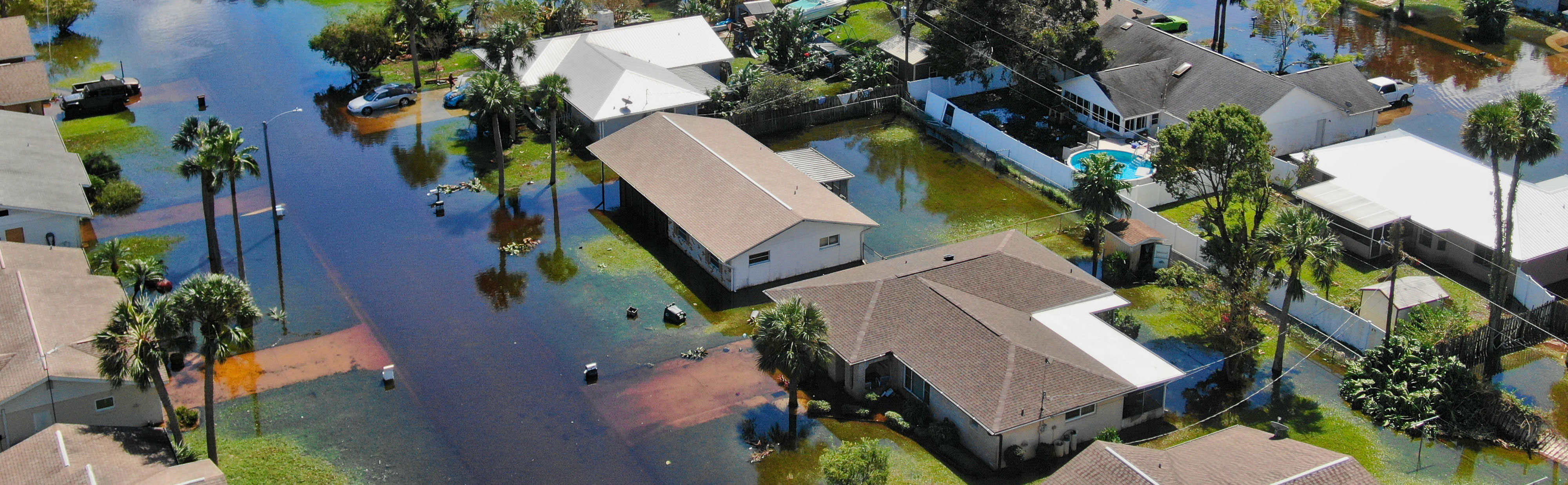
The Southwest Daytona Beach Black Heritage District has faced significant challenges from recent hurricanes, particularly Hurricane Ian and Hurricane Milton. Heavy rainfall, flooding, and high winds affected homes, churches, and community buildings, many of them historic structures built decades ago using traditional materials and construction methods.
Flooding posed a serious threat to wood-frame houses and older foundations, while wind damage impacted roofs, siding, and historic architectural features. Beyond physical damage, these storms disrupted daily life for residents, strained long-standing community institutions, and increased the risk of displacement in a neighborhood with deep historic and cultural roots.
For historic districts like Southwest Daytona Beach Black Heritage District, storm impacts are especially consequential. Repeated disasters also highlight long-standing vulnerabilities tied to geography and infrastructure.
Recovery and Resilience: Transform386 and CDBG-DR
Investing in Recovery While Preserving History
In response to these disasters, Volusia County has undertaken recovery efforts through Transform386, the county’s long-term recovery and revitalization initiative supported by Community Development Block Grant–Disaster Recovery (CDBG-DR) funds from the U.S. Department of Housing and Urban Development (HUD).
Within the Southwest Daytona Beach Black Heritage District, Transform386 focuses on:
- Helping residents recover safely and remain in place
- Repairing and rehabilitating damaged housing
- Reducing future flood and storm risk
CDBG-DR funding allows the County to address unmet recovery needs that traditional insurance or emergency assistance may not fully cover. Programs prioritize low- and moderate-income households, many of whom live in historic neighborhoods like the Southwest Daytona Beach Black Heritage District.
Recovery efforts from Transform 386 required the demolition and reconstruction of several homes in the Southwest Daytona Beach Black Heritage District which were listed as contributing structures to the district. Each of these decisions to reconstruct were made in the best interest of the residents and the longevity of their homes.
Building Long-Term Resilience
Recovery efforts are designed not only to repair damage, but also to strengthen the district’s resilience to future disasters. This includes improvements that reduce flood risk, enhance building durability, and support safer living conditions—while still respecting the district’s historic character.
Preserving a Historic Community for the Future
The Southwest Daytona Beach Black Heritage District represents more than its buildings—it embodies generations of perseverance, community leadership, and shared history. The impacts of Hurricanes Ian and Milton underscored both the district’s vulnerability and its importance.
Through targeted recovery investments and careful planning, Volusia County’s Transform386 program seeks to ensure that this historic neighborhood can recover, adapt, and continue to tell its story for generations to come.