
South Peninsula Historic District
History, Architecture, and Coastal Community
A Peninsula Neighborhood Shaped by Growth
The South Peninsula Historic District represents one of Daytona Beach’s earliest and most architecturally diverse residential areas. Developed between 1886 and 1947, the district reflects the city’s transformation from a small riverfront settlement into a nationally recognized resort community.
Located on a narrow peninsula between the Halifax River and the Atlantic Ocean, the district attracted year-round residents, seasonal visitors, and professionals drawn to coastal living. Over time, it evolved organically, without a single master plan, resulting in a rich patchwork of streets, lot sizes, and building types that together tell the story of Daytona Beach’s growth during the late 19th and early 20th centuries
Why the District Is Significant
The South Peninsula Historic District is significant for its contributions to:
- Architecture
- Community Planning and Development
- Social History
The district contains one of the largest and most intact collections of historic residential architecture in Daytona Beach. Its buildings reflect national architectural trends over six decades and illustrate how coastal development responded to changing tastes, transportation access, and tourism-driven prosperity.
Community and Civic Life
Primarily residential, the district also includes historic clubhouses, a library, apartment buildings, and small commercial structures that supported daily life on the peninsula. Institutions such as the Cornelia Young Memorial Library and the Peninsular Woman’s Club served as important cultural and social gathering places, reinforcing the district’s role as a cohesive community rather than simply a collection of houses
Architecture of the Peninsula
The South Peninsula Historic District is distinguished by its architectural variety and craftsmanship. While most buildings are wood-frame vernacular residences, the district also includes a wide range of nationally popular architectural styles from the late 19th and early 20th centuries.
Common architectural styles found throughout the district include:
- Frame and masonry vernacular
- Mediterranean Revival
- Bungalow/Craftsman
- Colonial Revival
- Mission
- Queen Anne
- Italian Renaissance and Italianate
- Tudor Revival
- French Eclectic
- Shingle and Art Moderne
Buildings range from modest cottages to large riverfront homes and multi-family dwellings. Features such as porches, wood siding, stucco finishes, decorative brackets, tiled roofs, and coquina stone foundations contribute to the district’s historic character. Despite some modern alterations, the district retains a high level of architectural integrity
Geographic Setting
The district encompasses approximately 225 acres on the southern portion of the Daytona Beach peninsula. It includes all or parts of forty historic blocks and is generally bounded by:
- International Speedway Boulevard to the north
- South Atlantic Avenue and the Atlantic Ocean to the east
- Halifax River and Halifax Avenue to the west
- Frazer Road to the south
These boundaries reflect the extent of historic development prior to mid-20th-century growth and separate the district from later high-rise and commercial construction along the beachfront .

Impacts of Hurricanes Ian and Milton
Storm Exposure in a Coastal Historic District
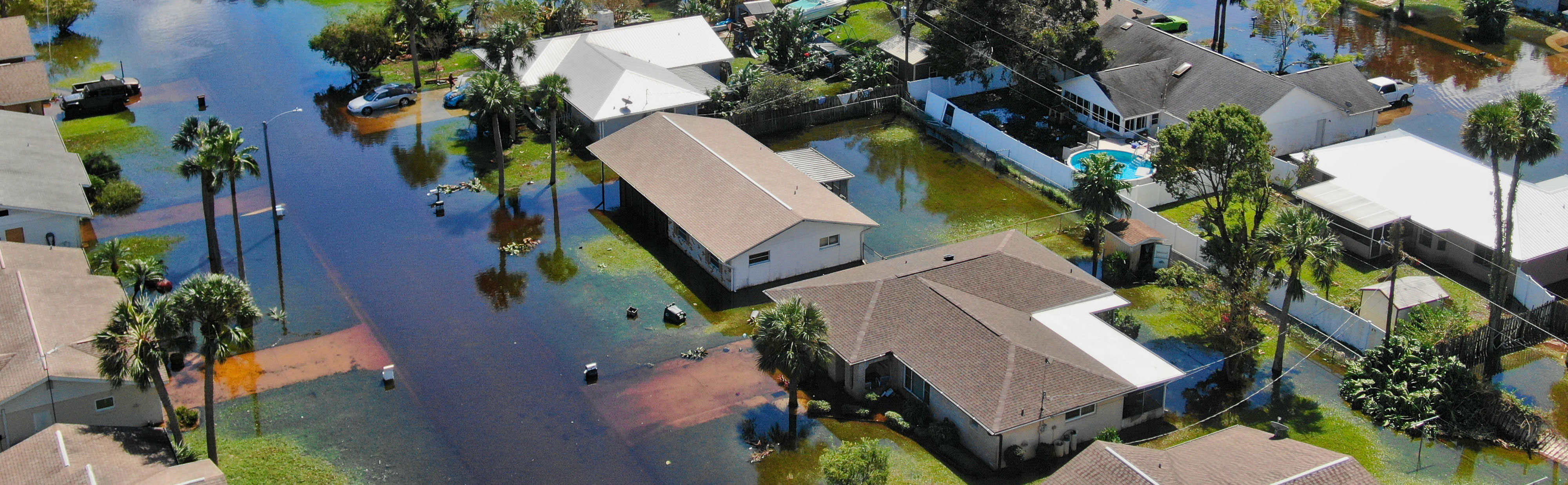
Due to its low-lying peninsula location between the river and the ocean, the South Peninsula Historic District is especially vulnerable to hurricanes and coastal storms. Hurricanes Ian and Milton brought heavy rainfall, storm surge, flooding, and high winds that affected homes, historic institutions, and infrastructure throughout the district.
Flooding threatened foundations, first floors, and historic materials, while wind damage impacted roofs, windows, and porches—features that are critical to the district’s architectural character. Prolonged recovery pressures raised concerns about loss of historic fabric, rising repair costs, and potential displacement of long-term residents in one of Daytona Beach’s most established neighborhoods.
Recovery and Resilience: Transform386 and CDBG-DR
Supporting Recovery While Protecting Historic Character
In response to these storms, Volusia County is supporting recovery through Transform386, its long-term recovery and revitalization initiative funded in part by HUD Community Development Block Grant–Disaster Recovery (CDBG-DR) resources.
Within the South Peninsula Historic District, recovery efforts focus on:
- Replacing and rehabilitating storm-damaged homes
- Addressing unmet housing recovery needs
- Reducing flood and storm vulnerability
- Supporting residents’ ability to remain in place
CDBG-DR funds allow the County to address gaps left by insurance and emergency assistance, particularly for older homes and low- to moderate-income households living in historic neighborhoods.
Recovery efforts from Transform 386 required the demolition and reconstruction of several homes in the South Peninsula Historic District which were listed as contributing structures to the district. Each of these decisions to reconstruct were made in the best interest of the residents and the longevity of their homes.
Preserving a Coastal Legacy
The South Peninsula Historic District reflects more than architectural style—it embodies over sixty years of coastal living, planning, and community identity in Daytona Beach. Hurricanes Ian and Milton underscored the need to balance disaster recovery, resilience, and historic preservation.
Through Transform386, Volusia County is working to ensure that recovery investments not only restore buildings but also strengthen the district’s long-term resilience—so this historic peninsula neighborhood can continue to tell its story well into the future.